How to Protect Loved Ones From Nursing Home Abuse
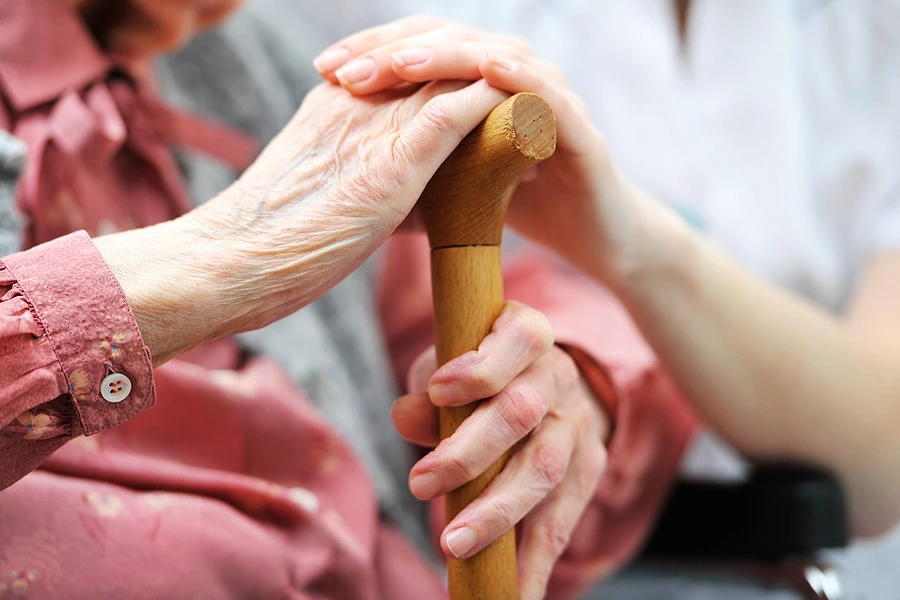
Placing a loved one in a nursing home is never an easy choice. Most families do it because they want their parent, spouse, or relative to receive proper care in a setting that can meet medical and daily living needs. Unfortunately, not every facility lives up to that responsibility. Abuse and neglect in nursing homes happen more often than many people realize, and the effects can be serious.
Protecting your loved one means staying involved, paying attention, and knowing what to do when something does not seem right. Families in South Carolina have legal rights and options when nursing home abuse occurs. Understanding how abuse happens and how to prevent it can make a real difference.
What Nursing Home Abuse Can Look Like
Abuse is not always obvious. It does not always involve shouting or physical violence. Sometimes it is quiet and hidden, happening behind closed doors or during routine care.
Physical abuse includes hitting, pushing, rough handling, or using restraints improperly. Emotional abuse involves threats, humiliation, isolation, or constant criticism. Sexual abuse can involve unwanted touching or assault. Financial abuse happens when someone steals money, misuses credit cards, or pressures a resident to change legal documents.
Neglect is also a form of abuse. It happens when staff fail to provide basic care. This can mean not helping with bathing, not providing enough food or water, ignoring medical needs, or leaving someone in soiled bedding for long periods.
Each of these harms a person’s health and dignity. Older adults and disabled residents are especially vulnerable because they may not be able to speak up for themselves.
Why Abuse Happens in Nursing Homes
Many people assume abuse only happens when staff are cruel. While that can be true, there are other reasons it occurs.
Some facilities are understaffed. Workers may be responsible for too many residents at once. This leads to rushed care or skipped tasks. Staff may become stressed, tired, or frustrated, which increases the risk of mistreatment.
Poor training is another problem. Employees who do not know how to properly move, clean, or communicate with residents can cause harm even if they do not mean to.
In some cases, management does not properly screen or supervise workers. This can allow people with a history of abuse or misconduct to work around vulnerable residents.
When a facility focuses more on profit than on care, residents often suffer. That is why families must stay alert.
Choosing a Nursing Home Carefully
Protection starts before your loved one ever moves in. The choice of facility matters.
Research nursing homes in your area. Look up inspection reports, ratings, and complaints. In South Carolina, you can find information through state agencies and public databases. Pay attention to patterns, not just one bad review.
Visit the facility more than once. Try to go at different times of day. Watch how staff interact with residents. Are they patient, respectful, and attentive? Or do they seem rushed and annoyed?
Look at cleanliness. Notice smells, clutter, and general condition. A dirty or disorganized building often points to deeper problems.
Ask questions. Find out how many staff are on duty per shift. Ask about staff training, turnover, and how complaints are handled. A good facility will answer openly.
Staying Involved After Admission
Once your loved one is in a nursing home, your role does not end. Regular involvement is one of the best ways to prevent abuse.
Visit often and at different times. Do not always come on the same day or hour. Unplanned visits let you see what daily life is really like.
Talk to your loved one. Ask how they feel, how staff treat them, and if they are comfortable. Some residents may be afraid to complain, so listen carefully to small hints or changes in tone.
Build relationships with staff. When workers know families are paying attention, they are more likely to follow proper standards. Friendly communication also makes it easier to raise concerns early.
Check care plans and medical records. Make sure treatments, medications, and therapies match what was promised.
Warning Signs of Abuse or Neglect
Knowing what to look for is key. Some signs are physical, while others are behavioral or emotional.
Physical signs include bruises, cuts, burns, fractures, or marks from restraints. Bedsores, sudden weight loss, dehydration, or poor hygiene can signal neglect.
Changes in behavior can also be red flags. A once social resident may become withdrawn, anxious, or fearful. They may flinch when touched or seem nervous around certain staff members.
Watch how staff act when you arrive. If they seem defensive, avoidant, or try to keep you from seeing your loved one, that is concerning.
Financial issues can point to abuse too. Missing money, unexplained charges, or sudden changes to wills or powers of attorney should be taken seriously.
What to Do if You Suspect Abuse
If something feels wrong, do not ignore it. Acting quickly can stop further harm.
First, make sure your loved one is safe. If there is immediate danger, call emergency services.
Document what you see. Take notes, dates, and times. Photograph injuries or unsafe conditions if possible. Save medical records, bills, and any written communication.
Report concerns to the nursing home administration. Sometimes problems can be corrected when brought to their attention. However, do not stop there if the issue is serious.
In South Carolina, you can report nursing home abuse to state agencies that oversee long-term care facilities. You can also contact adult protective services.
If abuse caused injury or worsened health, speaking with a medical malpractice or nursing home abuse lawyer can help you understand your options.
Legal Rights of Nursing Home Residents
Residents in nursing homes have specific rights under state and federal law. These rights exist to protect dignity, safety, and quality of life.
They have the right to be treated with respect and free from abuse and neglect. They have the right to proper medical care, clean living conditions, and privacy. They also have the right to voice complaints without fear of punishment.
When a facility violates these rights, it can be held responsible. Families can pursue claims for medical costs, pain and suffering, emotional distress, and in some cases, wrongful death.
Legal action is not just about money. It can also force facilities to change unsafe practices and protect other residents from harm.
How a Lawyer Can Help
Nursing home abuse cases can be complex. Facilities often deny wrongdoing or blame injuries on age or illness. Proving abuse or neglect takes careful investigation.
A lawyer can review medical records, interview witnesses, and work with experts to show what really happened. They can handle communication with the nursing home and its insurance company, which reduces stress for families.
In South Carolina, there are time limits for filing claims. Waiting too long can mean losing the right to take action. Talking to a lawyer early helps preserve evidence and protect your case.
Supporting Your Loved One Emotionally
Abuse does not just cause physical harm. It affects trust, confidence, and emotional health.
If your loved one has been mistreated, listen to them. Believe what they say. Many residents fear they will not be taken seriously.
Reassure them that the abuse is not their fault. Let them know you are working to keep them safe.
If needed, arrange counseling or mental health support. Emotional recovery takes time, especially for older adults who already face many changes in their lives.
Preventing Future Harm
Even after addressing one incident, continue to stay involved. Abuse prevention is ongoing.
Keep visiting regularly. Keep asking questions. Stay aware of changes in staff or management.
Encourage your loved one to speak up. Let them know they can always tell you if something feels wrong.
Share information with other families in the facility. When families support each other, it becomes harder for abuse to stay hidden.
Protecting Loved Ones Is an Ongoing Effort
No family wants to believe that abuse could happen to someone they care about. But being prepared does not mean being fearful. It means being informed and involved.
Choosing a good nursing home, staying connected, watching for warning signs, and knowing your legal rights all work together to keep your loved one safe.
If abuse does happen, taking action can stop it and bring accountability. In South Carolina, families do not have to face this alone. With the right support, you can protect your loved one’s health, dignity, and future.